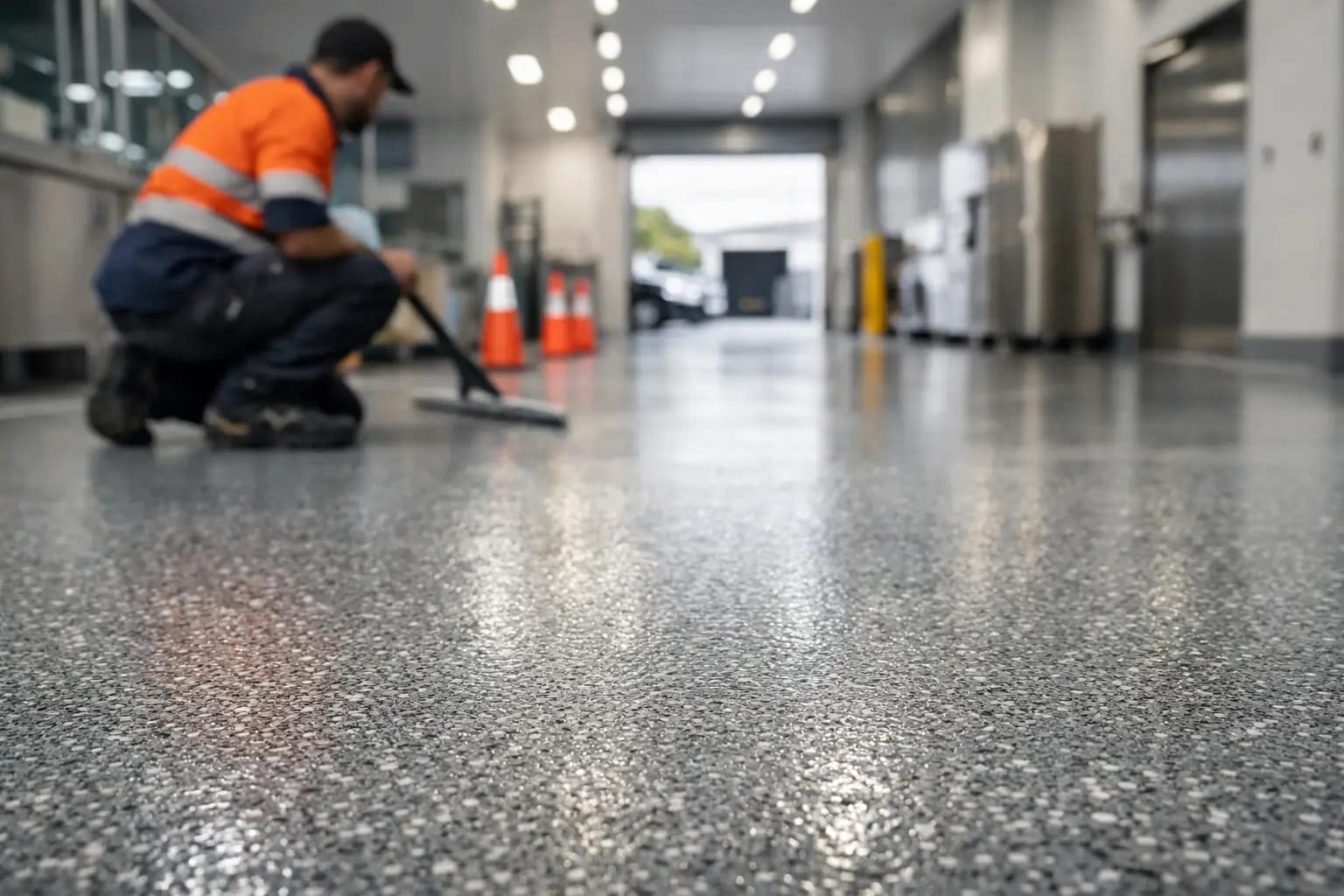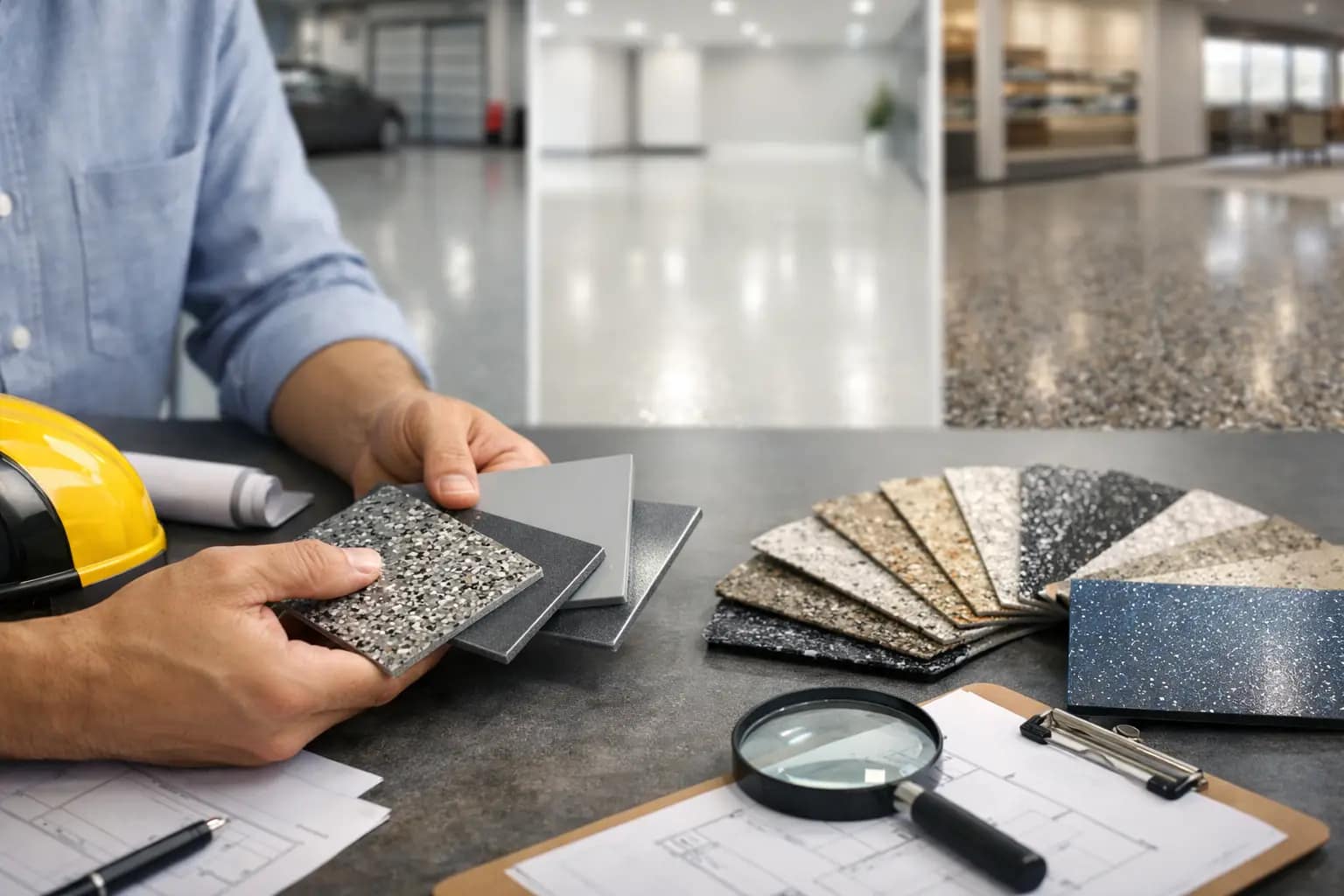
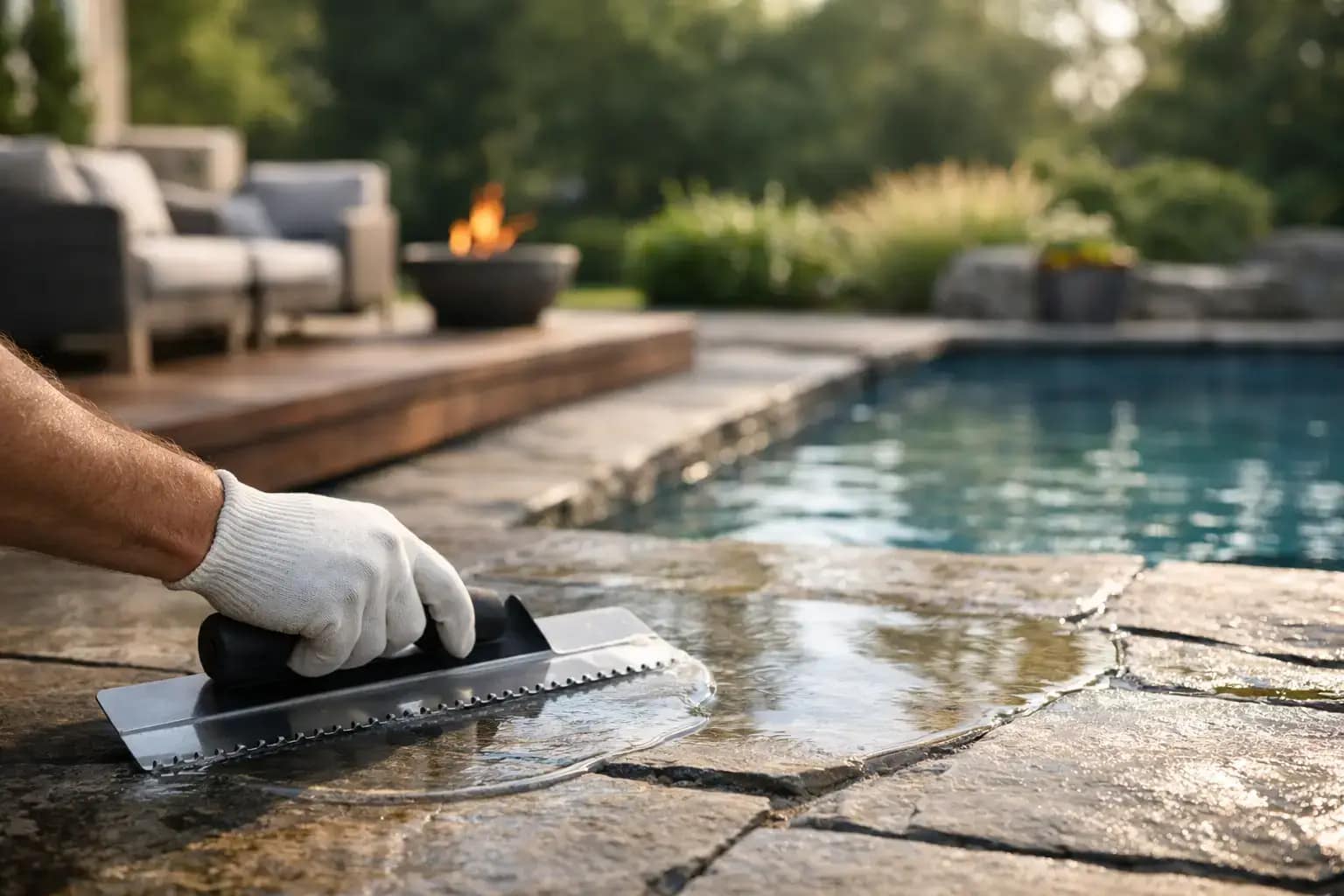
A garage floor that still looks sharp after years of traffic is one thing. An outdoor surface dealing with sun, rain, heat and constant temperature swings is another. If you’re asking can epoxy be used outside, the short answer is yes – but only in the right setting, with the right product, and with proper surface preparation.
That distinction matters. Outdoor concrete is a harsher environment than most indoor floors, and not every epoxy system is designed to handle it well. For homeowners, business owners and property managers, the real question is not just whether epoxy can go outside, but whether it is the best long-term choice for the specific area.
Can epoxy be used outside on concrete?
Epoxy can be used outside on concrete, but it has limits. Standard epoxy coatings are known for strength, chemical resistance and a clean finish, which is why they perform so well in garages, warehouses and workshops. Outdoors, though, they face an extra challenge – UV exposure.
Direct sunlight can cause many epoxy coatings to yellow, chalk or lose their gloss over time. That does not always mean the floor fails structurally, but it can affect appearance and, in some cases, the coating’s long-term performance. If the area is fully exposed, a straight epoxy system is often not the most suitable finish on its own.
This is where a lot of confusion starts. People hear that epoxy is tough and assume it works everywhere. In reality, outdoor suitability depends on the location, the level of weather exposure and whether the system includes other protective topcoats designed for external use.
Where epoxy works well outside
Epoxy tends to perform better in outdoor areas that are covered or only partly exposed. A covered patio, an enclosed alfresco area, or a carport with good protection from direct sun and heavy rain may still be a viable application. In these spaces, the coating gets some of the benefits of being outdoors without taking the full hit from UV and moisture.
It can also work in certain commercial settings where appearance, cleanability and moderate weather resistance are needed, provided the system is specified correctly. For example, a covered loading area or sheltered external walkway may suit an epoxy-based coating system if slip resistance and surface prep are handled properly.
Even then, the condition of the concrete matters. Outdoor slabs are often more exposed to moisture vapour, movement, cracking and contamination. If the slab is not assessed properly before coating, even a high-quality product can struggle.
Where epoxy is usually the wrong choice
Fully exposed driveways, open pathways and sun-baked outdoor entertaining areas are where standard epoxy often falls short. In Sydney and across NSW, concrete can heat up quickly in summer and cool off fast at night. Add rain, dirt, tyre traffic and UV exposure, and you have a much tougher test than an indoor floor sees.
On a driveway, for instance, the coating must cope with hot tyres, turning wheels, water, and regular exposure to the elements. A decorative finish might still look good initially, but if the coating is not designed for outdoor use, it can fade or wear earlier than expected.
Pool surrounds are another area where epoxy is generally not the first option. Safety is a major factor there. Wet conditions demand a coating system with reliable slip resistance, and the finish needs to cope with constant exposure to water, sunlight and foot traffic. In many cases, other concrete coating solutions are more practical and better suited.
The main issue with outdoor epoxy is UV exposure
If there is one reason people hesitate when asking can epoxy be used outside, it is UV stability. Most traditional epoxy coatings do not like prolonged sunlight. Over time, they can amber, discolour or break down on the surface.
That does not mean all resin-based coatings are unsuitable outdoors. It means the chemistry matters. In many external applications, epoxy is used as part of a broader system rather than the final exposed layer. A professional installer may use epoxy for adhesion or build strength, then apply a UV-stable topcoat better suited to outdoor conditions.
This is why product selection should never be treated as one-size-fits-all. Two areas that look similar at first glance can need very different systems depending on sun exposure, drainage, traffic and safety requirements.
Surface preparation matters even more outdoors
A strong coating starts well before the first coat goes down. Outdoor concrete often has more contamination than indoor slabs – oils, dirt, old sealers, moisture issues and weather-related wear are all common. If those problems are not dealt with properly, adhesion becomes the weak point.
Mechanical grinding is usually a critical part of the process because it opens the concrete and removes weak material from the surface. Repairing cracks, patching damaged sections and checking moisture behaviour are also important before any coating is applied.
This is one of the biggest differences between a short-term cosmetic result and a coating that actually performs. The finish people notice is only as good as the preparation underneath it.
What is often better than epoxy for outdoor areas?
For fully external surfaces, UV-stable coating systems are often the better option. Depending on the area, that may include polyaspartic, polyurethane or spray-on concrete systems designed for outdoor use. These products are generally better equipped to handle sun exposure while still improving appearance, cleanability and wear resistance.
For driveways and paths, many property owners prefer finishes that offer texture, non-slip performance and colour stability rather than a glossy showroom look. For alfresco areas and outdoor entertaining spaces, the focus is often on a clean finish that stays practical in wet conditions and copes with regular use.
That is why the best recommendation usually starts with the area itself, not the product name. A contractor should look at how the space is used, how exposed it is, and what result you want over the long term.
Choosing the right finish for homes and commercial sites
For homeowners, the decision usually comes down to durability, maintenance and appearance. A covered outdoor area may suit an epoxy-based system if conditions are controlled. An exposed driveway or walkway usually needs something more weather-resistant.
For commercial and industrial sites, the stakes can be higher. Safety, downtime and wear all matter. An external walkway may need a non-slip finish that remains consistent through changing weather. A loading zone might need a coating that balances durability with easier maintenance. In those environments, choosing the wrong system can lead to avoidable repairs and disruption.
This is where professional advice adds real value. A good contractor will not force epoxy into every application. They will tell you clearly where it works, where it does not, and what will hold up better in real conditions.
Can epoxy be used outside if the area is shaded?
Shade definitely helps, but it is not the only factor. A shaded outdoor area still deals with moisture, temperature changes and general wear. If it stays damp for long periods or has drainage issues, the coating system still needs to be selected carefully.
So yes, a shaded area improves the chances of epoxy performing well, but it does not automatically make every epoxy product suitable. The slab condition, exposure to rain and intended use still need to be considered.
What to ask before coating an outdoor concrete surface
Before moving ahead, it helps to ask a few practical questions. How much direct sun does the area get? Does water sit on the surface after rain? Will cars, foot traffic or equipment use the area regularly? Is slip resistance important? Does the concrete already have damage or old coatings?
Those answers shape the recommendation. They also help avoid the common mistake of choosing a finish based on appearance alone. Outdoor coatings need to do more than look good on day one.
At Floor Masters, this is usually where the conversation starts – with the condition of the slab and the way the space actually functions.
If you’re looking at an outdoor concrete area, the safest approach is to match the coating system to the environment, not the trend. Epoxy has its place outside, but only when the conditions are right and the finish is built for the job.