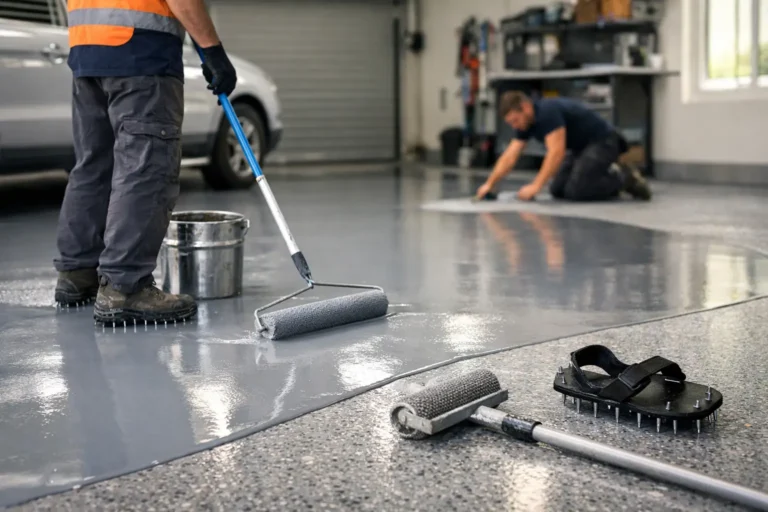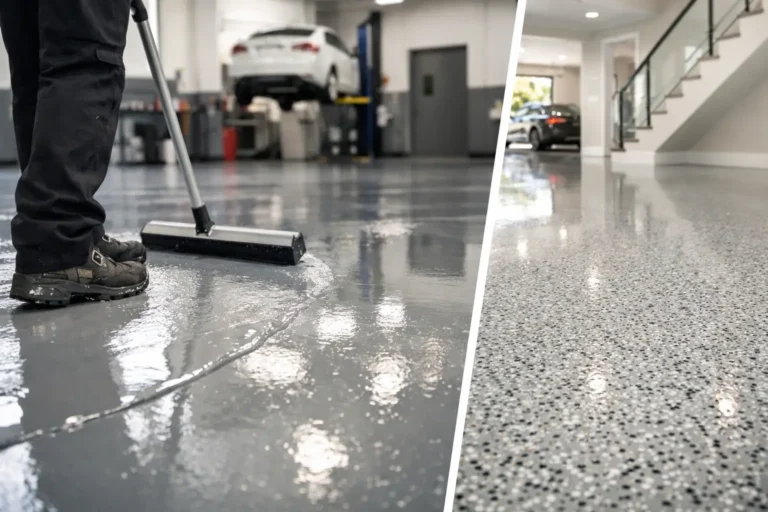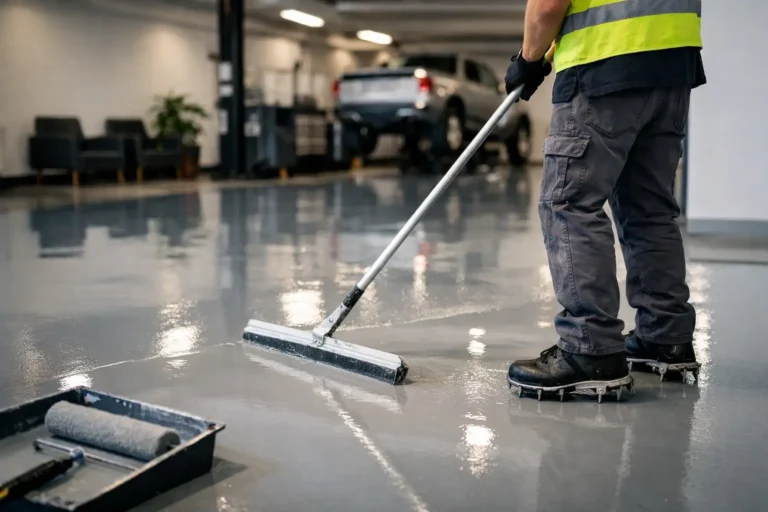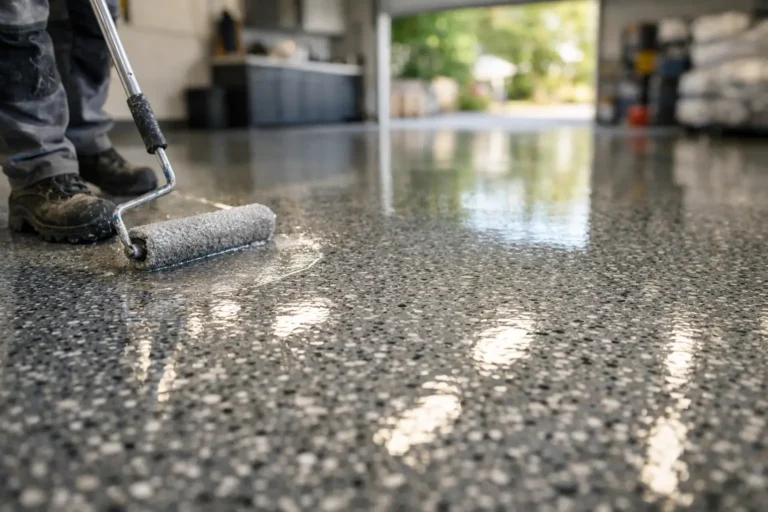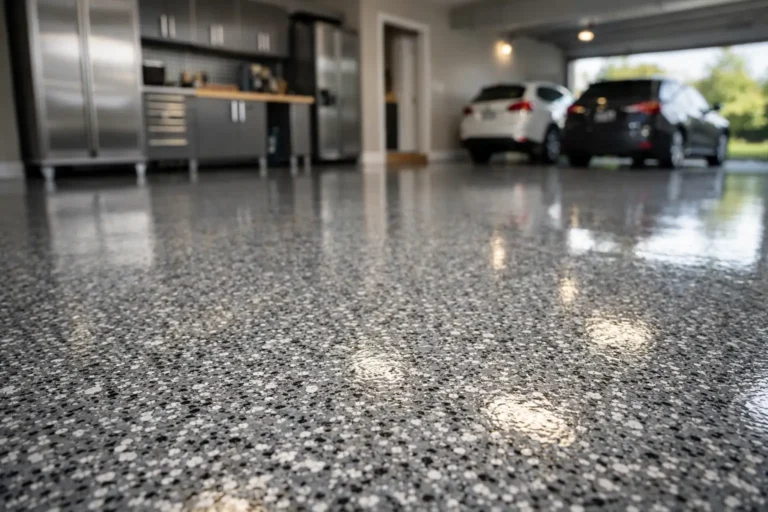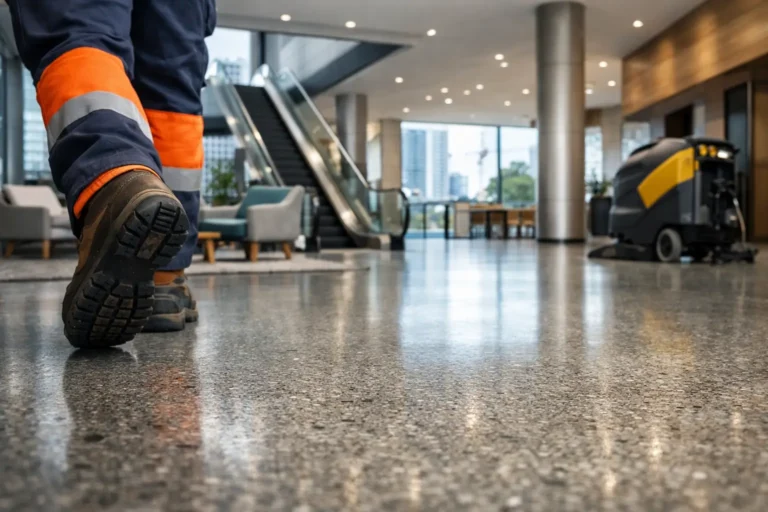

If you have ever walked into a garage, warehouse or shop mid-grind and seen a cloud hanging in the air, you already know why dust free concrete grinding matters. Concrete dust gets everywhere – onto stock, into nearby rooms, across vehicles and equipment, and into the air people are breathing. For busy homes and workplaces, controlling that dust is not a nice extra. It is part of doing the job properly.
Dust free concrete grinding is the process of mechanically grinding a concrete surface using professional equipment connected to high-powered vacuum systems. The aim is simple: remove surface contamination, level out the slab and prepare it for the next stage, while keeping airborne dust to a minimum. It creates a cleaner site, a safer work area and a better foundation for whatever finish comes next.
What dust free concrete grinding actually does
Concrete grinding is not just about making a floor look smoother. In most projects, the real purpose is surface preparation. A slab may have old paint, glue residue, minor high spots, surface laitance, tyre marks, oil staining or weak top layers that need to come off before coatings or repairs can bond correctly.
That is where grinding earns its place. It opens the concrete, removes contaminants and creates the right profile for the next system. If the floor is being coated with epoxy, skim coated or repaired, that preparation step directly affects how well the new surface performs over time.
The dust free part comes from the equipment setup. Professional grinders are fitted with shrouds and connected to industrial vacuums designed to capture fine concrete particles as they are created. It does not mean there is literally zero dust in every situation, especially on rough or damaged slabs, but it does mean a major reduction in airborne mess compared with older open-grind methods.
Why dust control matters on real sites
On a residential job, uncontrolled dust can travel quickly through the property. It settles on stored items, finds its way into adjoining rooms and turns a straightforward floor project into a broader clean-up issue. In garages, it can coat tools, shelves and cars. In kitchens or living areas, it becomes even less acceptable.
On commercial and industrial sites, the stakes are higher. Dust can disrupt operations, affect nearby staff, settle on stock and create extra downtime. For retail, workshops and warehouses, keeping the area contained and controlled is part of maintaining a professional site.
There is also the safety side. Fine concrete dust is not something you want hanging in enclosed spaces. Good dust extraction supports a safer workplace and helps keep the project more manageable from start to finish.
When dust free concrete grinding is the right choice
Not every concrete floor needs the same level of grinding, but there are common situations where it makes sense.
Before epoxy flooring or concrete coatings
A coating is only as good as the surface underneath it. If the slab is contaminated, too smooth or weak at the top, coatings can struggle to bond properly. Grinding removes that unstable surface and gives the coating a sound base.
This is especially important in garages, warehouses, workshops and commercial spaces where floors need to handle traffic, spills and regular cleaning.
Before repairs or skim coating
If a floor has minor surface damage, patching or skim coating may be needed. Those products adhere better when the slab has been correctly prepared. Grinding helps remove loose material and creates a more suitable surface for repair products to grab onto.
To remove old surface build-up
Paint, glue, failed coatings and general surface contamination can stop new finishes from performing as they should. Grinding strips back what should not be there, without relying on harsh shortcuts that may leave the slab uneven or poorly prepared.
To improve uneven or worn concrete
Some slabs have minor lips, rough patches or worn areas that need attention before they can be coated or left exposed. Grinding can help refine the surface, although the extent of improvement depends on the slab condition. Deep structural cracking or major movement is a separate issue and needs the right repair approach first.
The main benefits for homeowners and businesses
The first obvious benefit is cleanliness. A dust-controlled process keeps the site more manageable during the work and reduces the amount of cleaning needed afterwards. That matters whether you are upgrading a home garage or preparing a commercial floor with stock and equipment nearby.
The second benefit is better workmanship. Proper grinding creates a cleaner, more consistent substrate. That improves adhesion for coatings and repair systems, which supports durability and reduces the risk of early failure.
The third benefit is practicality. Less airborne dust means less disruption to surrounding spaces. For active sites across Sydney, that can make scheduling easier, especially where access, neighbouring tenants or ongoing operations need to be considered.
Then there is the finish itself. A properly prepared slab simply performs better. Coatings sit flatter, repairs bond more reliably and the final floor has a better chance of lasting under real use.
What to expect during the process
A professional dust free concrete grinding job starts with an inspection of the slab. The condition of the concrete tells you a lot – whether there are contaminants, old coatings, weak surface layers, moisture issues, cracks or previous repairs that may affect the process.
From there, the grinding method and tooling are selected to suit the floor. A garage with light contamination is different from a warehouse with heavy wear or an old retail tenancy with adhesive residue. The goal is to remove what needs removing without overworking the slab.
During grinding, the machine passes across the surface while the vacuum system captures the dust. Edges and tighter areas usually need separate attention, as large grinders cannot reach every corner. Once complete, the floor is assessed again to confirm it is ready for the next stage, whether that is coating, repair or another surface treatment.
Good contractors will also be upfront about limitations. Dust control is highly effective, but some surrounding protection and site management may still be needed depending on the building layout and the condition of the concrete.
Not all grinding equipment delivers the same result
This is one area where the difference between operators shows quickly. A basic grinder with poor extraction can still leave a site messy. On the other hand, commercial-grade machinery paired with proper vacuum systems gives a much cleaner and more consistent outcome.
The same goes for surface preparation quality. Grinding is not just running a machine over concrete. It involves selecting the right tooling, understanding the slab condition and preparing the floor to match the final use. A surface being coated for a residential garage does not necessarily need the same profile as a hard-wearing industrial floor.
That is why experience matters. The job is not simply to grind the floor. It is to prepare it properly, with as little disruption as practical, so the next stage performs the way it should.
Dust free concrete grinding and long-term floor performance
The value of dust free concrete grinding is not limited to what happens on the day. Its real value shows up later. Floors that are prepared correctly tend to perform better, look better and hold up longer under traffic and cleaning.
For homeowners, that can mean a garage or outdoor area that is easier to maintain and better suited to daily use. For commercial clients, it supports a floor that is safer, more presentable and more durable in demanding conditions. For property managers, it reduces the risk of shortcuts that lead to callbacks or premature surface failure.
Preparation is rarely the most visible part of a flooring project, but it is often the part that decides the outcome. Clean grinding, proper dust extraction and the right approach to the slab all contribute to a result that lasts.
At Floor Masters, this is why dust-controlled surface preparation is treated as a core part of the job, not an add-on. Whether the project is a garage, workshop, retail space or warehouse, the aim is the same: prepare the concrete properly, keep the site as clean as possible and set the floor up for a durable finish.
If you are comparing flooring options or planning concrete repairs, ask how the surface will actually be prepared. The answer usually tells you a lot about the result you can expect.