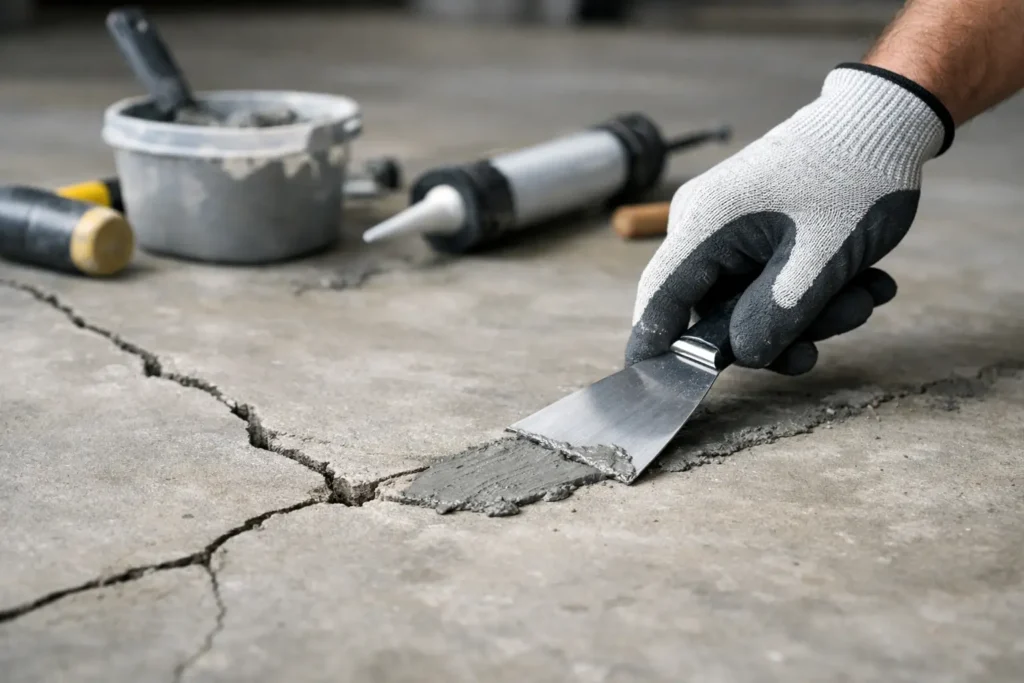
A crack in a concrete floor rarely stays just a crack. In a garage, warehouse or workshop, it becomes a dirt trap, a moisture path and eventually a weak point under traffic. If you need to repair cracks in concrete floor surfaces properly, the real question is not just how to fill them – it is whether the floor is stable enough for a lasting repair.
That matters more than most people realise. Some cracks are cosmetic and straightforward to treat. Others point to movement, poor curing, moisture issues or surface wear that needs more than a simple patch. Getting that call right is what protects the floor finish, keeps the area safer to use and avoids spending money twice.
When a concrete floor crack is more than a surface issue
Not every crack means the slab has failed. Concrete naturally shrinks as it cures, and hairline cracking can appear over time even in otherwise sound floors. In residential settings, this often shows up in garages, driveways and internal utility areas. In commercial spaces, repeated forklift traffic, dropped loads and point pressure can make minor cracking worse much faster.
The difference is usually in the pattern, width and behaviour of the crack. A narrow, stable crack that has not changed for months is very different from one that is spreading, lifting at the edges or letting water through. If the slab is moving, a surface filler alone will not solve the underlying problem.
This is why professional assessment matters before any coating or resurfacing work begins. A floor can look repairable at first glance but still have contamination, weakness around the crack line or hidden moisture that affects adhesion later on.
How to repair cracks in concrete floor surfaces properly
A proper repair starts with preparation, not filler. The cracked area needs to be opened, cleaned and assessed so the repair material can bond to solid concrete rather than dust, loose edges or oil residue. If the surface is contaminated or the crack walls are weak, the repair is only as good as what sits underneath it.
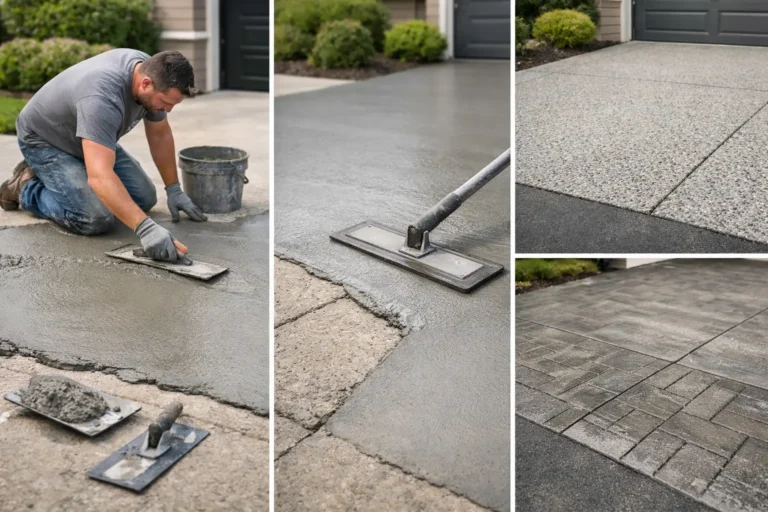
In practice, that usually means grinding or chasing the crack to remove unstable material, followed by thorough cleaning. On professional jobs, dust-controlled grinding makes a noticeable difference. It keeps the site cleaner, improves visibility during preparation and helps produce a better bonding surface.
Once the crack is prepared, the repair material has to match the job. Hairline cracks, wider static cracks and damaged joints may all require different repair products or methods. This is where quick fixes often fail. A product that works in a low-traffic storage room may not hold up in a busy commercial workshop or garage that sees vehicles, moisture and regular cleaning.
After filling, the repair generally needs levelling and blending into the surrounding floor. If the final goal is an epoxy coating, spray-on finish or skim-coated surface, the crack repair has to become part of a sound, uniform substrate. Any unevenness, softness or visible edge failure will show through the final finish.
Why crack repair and floor coating need to be planned together
Many people treat crack repair as a separate job. Sometimes that is fine, especially if the floor is otherwise in good condition. But where the surface is worn, porous, stained or uneven, repairing the crack alone can leave you with a floor that is technically fixed but still difficult to maintain and not especially durable.
This is common in older Sydney garages and commercial spaces where the concrete has seen years of use. The crack gets filled, but the surrounding slab remains dusty, patchy or vulnerable to further wear. In those cases, a broader surface preparation and coating plan can deliver far better long-term value.
For example, epoxy flooring relies heavily on the condition of the slab underneath. If cracks are repaired properly and the floor is mechanically prepared, the finished system is stronger, easier to clean and better able to handle daily traffic. The same applies to resurfacing systems where appearance matters as much as performance.
The point is simple: the crack is rarely the whole story. Good repairs look at the floor as a working surface, not just a defect to hide.
Common causes of cracks in residential and commercial floors
Understanding why the crack appeared helps determine what repair is likely to last. In homes, especially in garages and outdoor areas, cracking often comes from shrinkage, minor ground movement, water ingress or ageing concrete. These are not always urgent structural concerns, but they still affect durability and presentation.
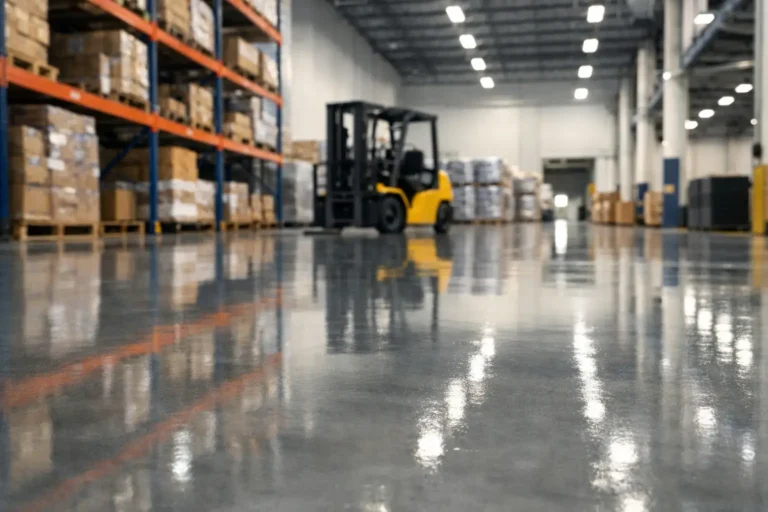
In commercial and industrial settings, the causes are often more demanding. Heavy traffic, impact, poor load distribution, slab fatigue and failed joints can all contribute. In warehouses and workshops, even a small crack can become a practical problem if it catches wheels, collects dust or compromises a coating system.
There is also the moisture factor. If water is moving through the slab or entering through the crack, repairs become more complex. Moisture can interfere with some repair materials and can also affect future coatings. That is one reason site-specific inspection matters. The right repair in a dry internal storeroom may be the wrong one in a damp garage or wash-down area.
Signs your floor needs professional repair, not a basic patch
A lot depends on what the floor is used for. In a low-traffic area, a small stable crack may not need urgent attention. In a retail space, workshop or garage where appearance, hygiene and safety matter, delay tends to make the problem more noticeable and more expensive to rectify later.
Professional repair is usually the better option when cracks are widening, branching, lifting or reappearing after earlier patching. The same applies when the surface around the crack is crumbling, soft or stained with oil and moisture. If you are planning to coat the floor, proper repair is even more important because coatings perform best on clean, stable and well-prepared concrete.
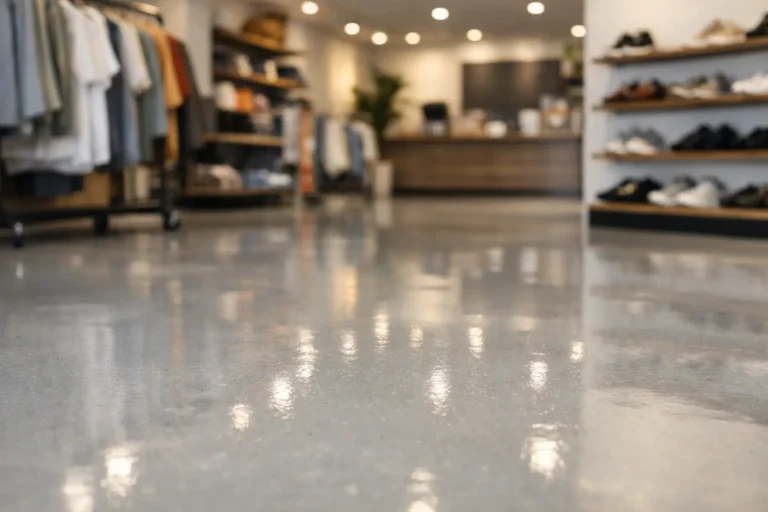
It is also worth acting earlier if the floor needs to stay presentable for clients, tenants or staff. A cracked and uneven floor can make an otherwise well-run space look poorly maintained, even when the rest of the property is in good condition.
What a lasting result usually looks like
A successful crack repair should do more than fill a line in the slab. It should restore surface integrity, reduce dust and dirt build-up, improve cleanability and create a stable base for whatever comes next. Depending on the floor, that may mean leaving the concrete neatly repaired, applying a skim coat, or installing a protective finish such as epoxy.
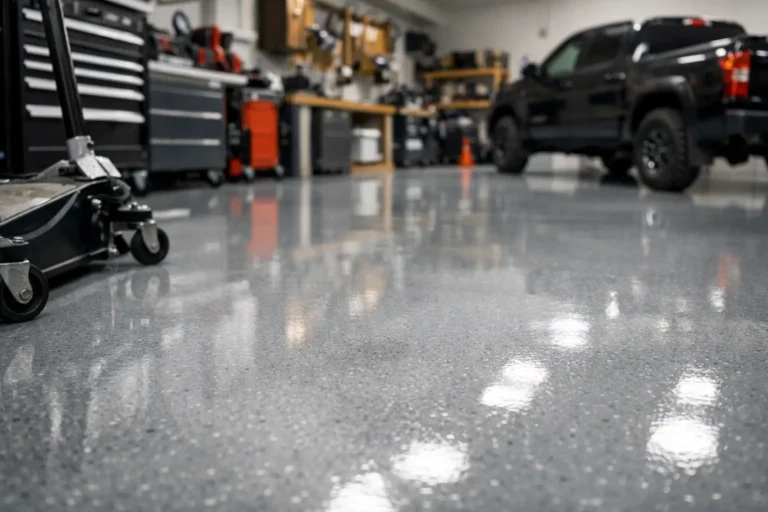
The best outcome depends on use. A domestic garage floor may benefit from repair plus a coating that resists tyre marks, stains and moisture. A commercial floor may need a harder-wearing system with non-slip performance and minimal downtime. There is no single answer for every site, which is why experienced preparation and product selection matter.
At Floor Masters, crack repair is approached as part of the floor’s overall performance – not just as a cosmetic patch. That means looking at condition, traffic, safety and the finish you want to achieve before recommending the right repair path.
Repair cracks in concrete floor areas before they get worse
Concrete cracks do not usually improve on their own. Dust, moisture, traffic and weather exposure all work against them. The longer they are left, the more likely they are to affect surrounding concrete and complicate future resurfacing or coating work.
If the floor is in a garage, warehouse, shop or work area, timely repair also helps keep the space cleaner and easier to maintain. That is especially relevant in high-use areas where every surface has to work hard and still look presentable.
A well-repaired floor does not need to be overcomplicated. It just needs the right preparation, the right materials and a clear understanding of how the space is used. If you are looking at cracked concrete and wondering whether it needs a simple repair or a more complete surface solution, that is usually the point where expert advice saves time, disruption and avoidable rework.
A crack may start small, but the right repair can turn it back into a solid, serviceable floor that is ready for daily use.