A concrete floor can look solid from a distance and still be full of small problems up close – shallow pitting, old adhesive marks, minor surface wear, low spots and patchy texture. That is where a skim coat concrete floor can be the right fix. It is not a cover-up for major structural issues, but it can create a smoother, cleaner surface that is ready for coatings, foot traffic or a better overall finish.
For homeowners, that often means a garage or internal floor that looks tired and uneven. For commercial sites, it can mean a worn concrete slab that needs to present better, clean up more easily and support the next stage of flooring work without ongoing surface defects. The key is knowing what skim coating can solve and where its limits are.
What is a skim coat on a concrete floor?
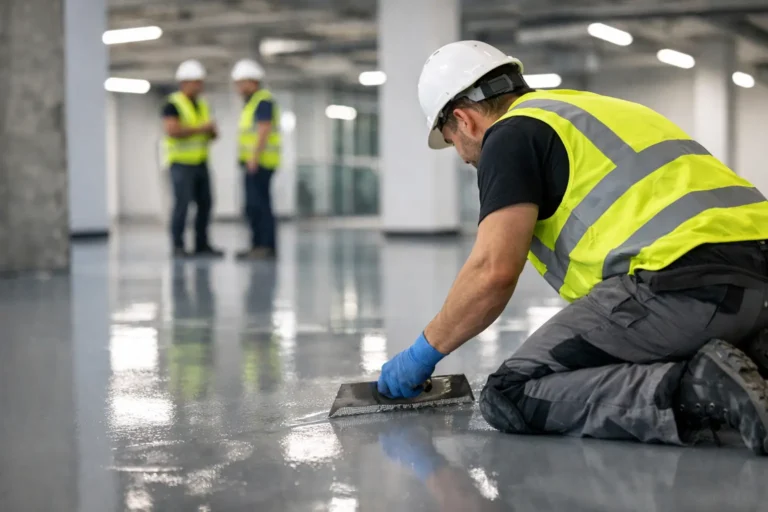
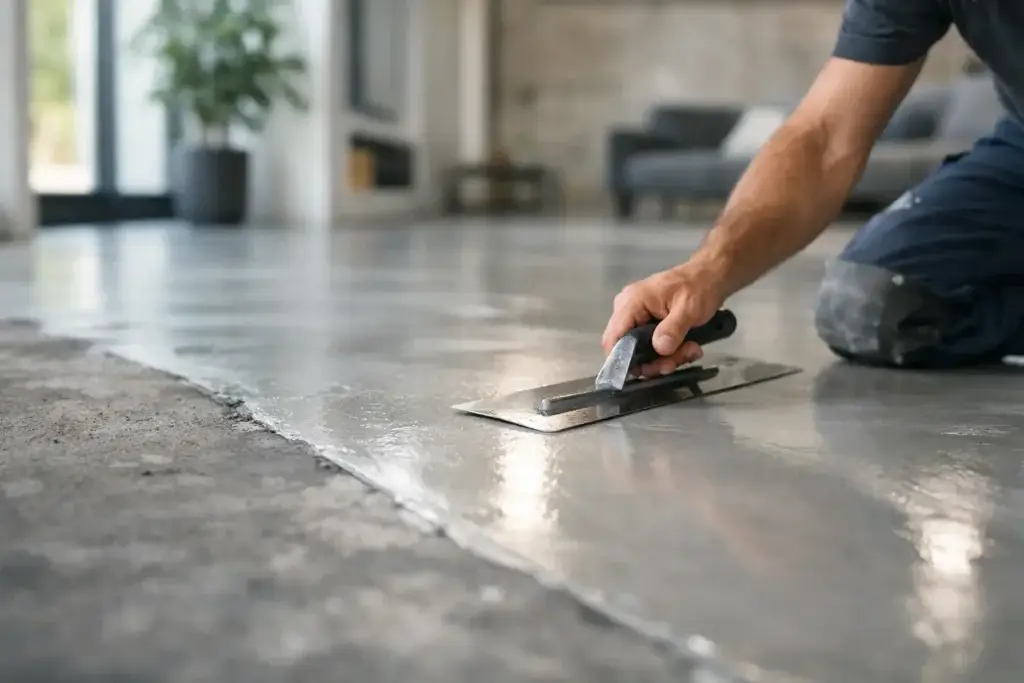
A skim coat is a thin layer of cement-based resurfacing material applied over existing concrete to refine the surface. Its job is to improve the top layer, not replace the slab underneath. When done properly, it can fill minor imperfections, reduce visible wear and create a more uniform base for coatings or other surface treatments.
The thickness is usually minimal compared to a full screed or slab replacement. That makes it a practical option where the concrete is fundamentally sound but the finish is rough, porous or visually inconsistent. In many cases, the value of a skim coat concrete floor is not just appearance – it is about preparing the surface so the next system performs properly.
When a skim coat concrete floor is the right option
Skim coating works best when the existing slab has cosmetic or surface-level defects rather than serious movement or damage. If the floor has light scaling, small pinholes, shallow pitting, trowel marks, old coating residue or general wear, a skim coat can help restore a more even finish.
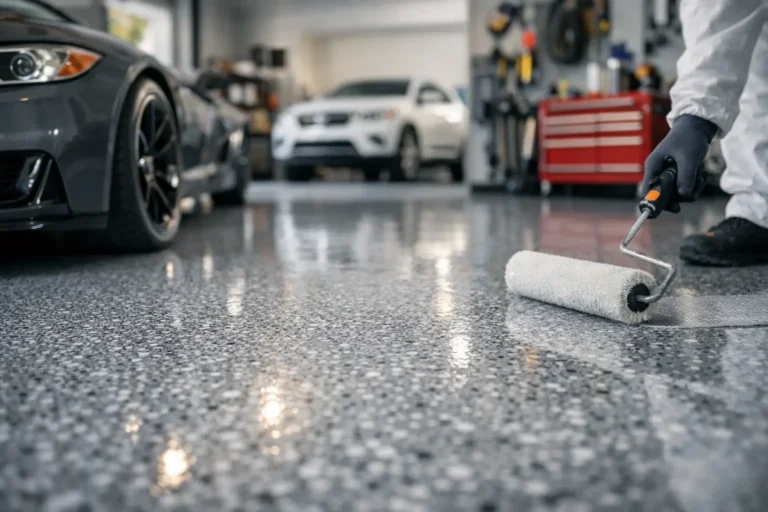
It is also useful before applying epoxy or other concrete coatings. Coatings tend to reflect what is underneath them. If the slab has lumps, patch marks or inconsistent porosity, the finished result may look uneven no matter how good the coating itself is. A skim coat can help create a more consistent base, which improves both appearance and adhesion when combined with proper grinding and preparation.
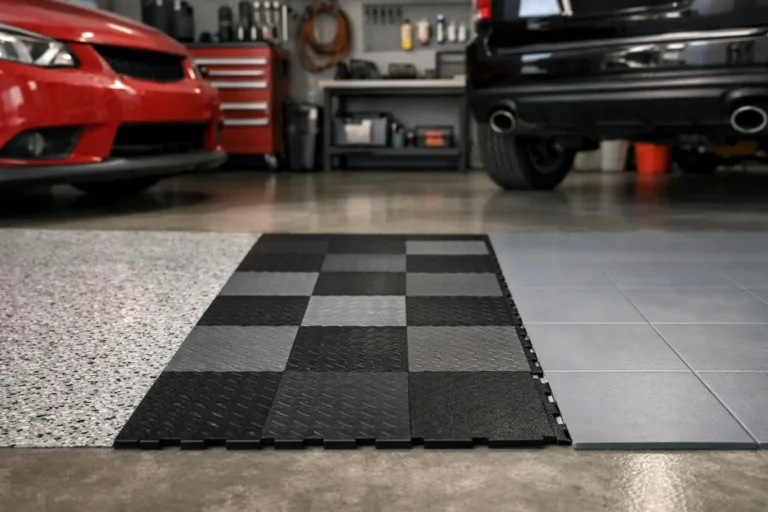
In garages, workshops and light commercial areas, this often gives a better result than trying to coat over a surface that was never properly corrected in the first place.
When skim coating is not enough
This is where honest advice matters. A skim coat is not designed to fix structural cracking, rising moisture issues, major delamination or badly out-of-level slabs. If the concrete is unstable, contaminated with oil deep into the surface, or breaking down extensively, the floor may need repairs, grinding, moisture management or heavier resurfacing work before any skim coat is considered.
The same applies to floors with active cracks. A skim coat can cover the appearance temporarily, but if the movement underneath continues, those cracks can telegraph back through. The right approach depends on the condition of the slab, how the space is used and what finish is planned afterwards.
That is why inspection matters. On one site, a skim coat is the most efficient way to improve a floor. On another, it is only one part of a broader repair and preparation process.
Surface preparation matters more than the skim coat itself
One of the biggest mistakes in concrete resurfacing is treating the topping product as the whole job. It is not. The result depends heavily on what happens before application.
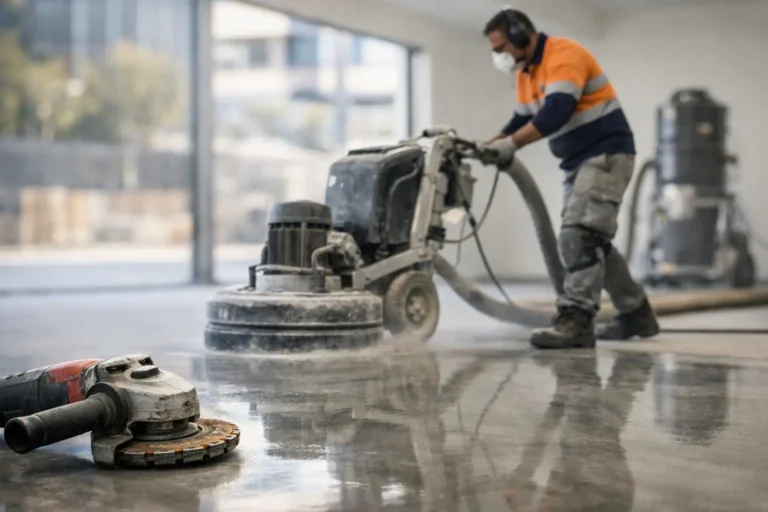
Concrete needs to be mechanically prepared so the skim coat bonds properly. That often means concrete grinding to remove weak material, old coatings, contaminants and smooth surface laitance. Dust control also matters, especially in occupied homes, retail settings and working commercial environments where cleanliness and safety are part of the job, not an afterthought.
If there are cracks, holes or failed patches, those areas need attention first. If there is moisture pressure coming through the slab, that needs to be identified early. A skim coat applied over poor preparation may look acceptable at first, but that does not usually last.
Why businesses and homeowners choose skim coating
For many properties, the appeal is straightforward. A skim-coated floor can improve the look of worn concrete without the cost and disruption of removing and replacing the slab. It can also help extend the life of the surface by creating a cleaner, more refined base for sealing or coating.
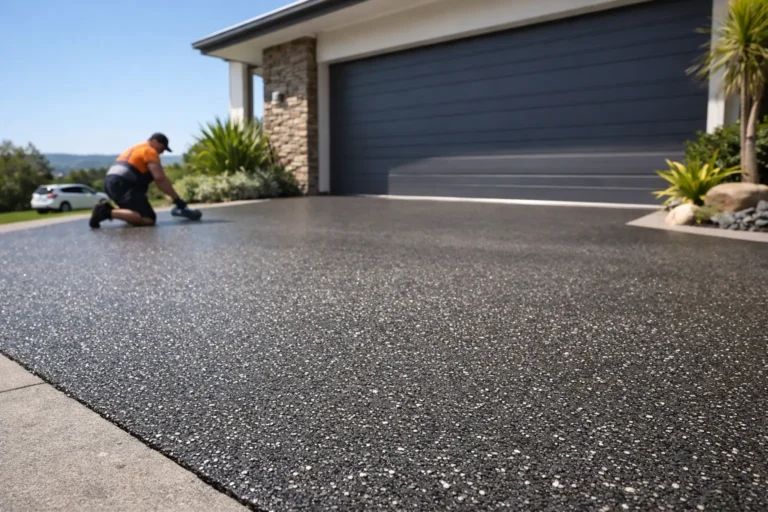
In residential settings, that often means bringing an old garage or utility space up to a standard that feels easier to maintain and better to look at. In commercial spaces, it is often about presentation, functionality and readiness for heavier-duty finishes.
There is also a practical maintenance benefit. Rough, porous and damaged concrete tends to trap dust and grime. A smoother corrected surface is generally easier to clean and more suitable for environments where appearance and hygiene matter.
Skim coat concrete floor before epoxy
If epoxy is the planned finish, skim coating can be a smart step – but only when the slab actually needs it. Not every epoxy floor requires a skim coat. Some slabs respond well to grinding, repairs and direct coating. Others have enough surface inconsistency that a skim coat helps create a cleaner final result.
This is especially relevant on older floors with patchwork repairs, visible pores or shallow pitting across large areas. Epoxy can deliver a durable, low-maintenance finish, but it does not hide every defect. In fact, glossy systems can make imperfections stand out more.
A properly assessed and prepared skim coat concrete floor can provide a better-looking base for epoxy and reduce the risk of a patchy visual finish. That is one reason professional flooring contractors look at the full system, not just the topcoat.
Common areas where skim coating is used
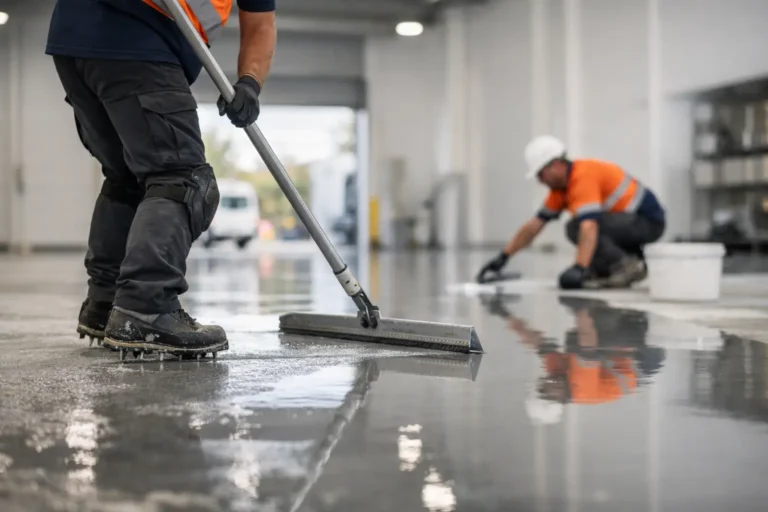
In Sydney properties, skim coating is commonly used in garages, warehouses, workshops, retail back-of-house areas and internal concrete floors that need a more uniform surface. It can also be relevant in preparation for fit-outs, refurbishments and tenancy updates where the slab needs to be improved without major structural work.
The use case matters. A home garage has different demands from a warehouse receiving pallet traffic. A retail floor has different presentation requirements from a plant room. The right skim coat product, thickness and preparation method should match the actual conditions on site.
That is why a one-size-fits-all approach rarely gives the best result.
What to expect from the finished result
A good skim coat should leave the floor looking more even, cleaner and better prepared for its final use. But realistic expectations are important. This is a surface correction method, not a miracle treatment.
If the original slab has a history of movement, deep contamination or significant moisture issues, those factors can still affect long-term performance. Likewise, the final appearance depends on the intended finish. A skim-coated floor that will later receive epoxy is judged differently from one that will remain as a plain resurfaced concrete surface.
What clients usually notice most is the improvement in uniformity. The floor feels less rough, looks less patched and provides a better base for whatever comes next.
Choosing the right contractor for skim coating
The contractor matters because skim coating is only as good as the assessment, preparation and installation behind it. It is worth looking for a team that handles concrete grinding, repairs and surface preparation properly rather than treating skim coating as a quick cosmetic add-on.
For property owners and site managers, clear communication is just as important. You should know whether skim coating is the full solution or part of a larger system. You should also get honest advice about drying times, site access, likely finish and whether additional coatings are recommended for durability or easier cleaning.
At Floor Masters, that practical approach is central to how concrete floor work is assessed across homes, workshops, garages and commercial sites. The goal is not to oversell a thin surface treatment. It is to recommend the method that suits the slab, the traffic and the finish you actually need.
Is a skim coat worth it?
If the slab is sound but the surface is worn, uneven or visually tired, a skim coat can be a very effective way to improve it. It often makes sense where full replacement would be excessive and where direct coating would leave too many imperfections showing through.
The value comes from getting the sequence right – inspection first, preparation done properly, repairs handled where needed and the skim coat applied for a specific purpose rather than as a shortcut. On the right floor, it can make a noticeable difference to appearance, cleanability and the performance of any finish applied over the top.
If you are looking at a concrete floor and wondering whether it needs resurfacing, repair or a full coating system, start with the condition of the slab rather than the product name. The best flooring decisions usually come from fixing the real problem, not just the visible one.