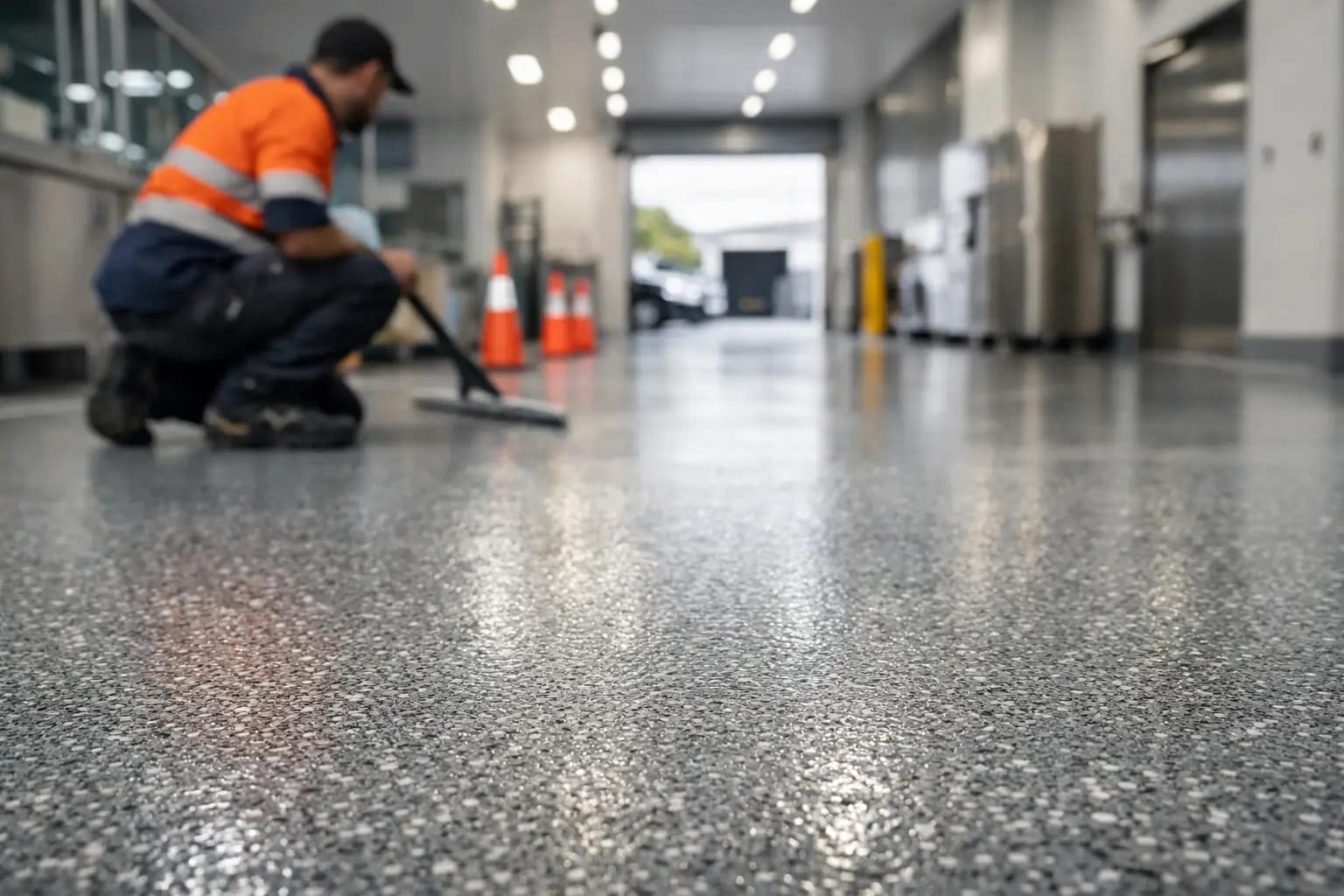

A garage floor in Sydney doesn’t fail all at once. It starts with dusty concrete you can’t quite keep clean, then a few oil spots that never lift, then a patch that powders underfoot. Before long, the space feels permanently grimy – even if the rest of the house is spotless.
Epoxy flooring is usually the turning point. Done properly, it turns bare or tired concrete into a hard-wearing, easy-to-clean surface that handles real life: cars, kids, wet shoes, pets, storage racks, and weekend projects. Below are the top 7 benefits of epoxy flooring for homes in Sydney, with the practical details that matter when you’re deciding whether it’s worth doing.
1) A floor that’s built to last under real traffic
Sydney homes put more load on concrete than people expect. A garage isn’t just parking – it’s often the gym, storage room, workshop, or a pass-through to the backyard. Laundry rooms see constant foot traffic and moisture. Even kitchens take a beating from chair legs, dropped utensils, and daily spills.
A properly installed epoxy system forms a hard, protective layer over concrete that resists wear far better than bare slab or basic paint. The “properly installed” part matters because durability is not only about the topcoat – it’s about how the concrete is prepared so the coating bonds into the surface rather than sitting on top of dust or weak laitance.
The trade-off: epoxy is not indestructible. If you drag sharp metal across it, you can scratch it. If you want maximum scratch resistance, the right topcoat and the right aggregate options should be selected for the way you actually use the space.
2) Easy cleaning that stays easy
Bare concrete is porous. It holds onto dust, absorbs oils, and stains easily. That’s why you can sweep a garage twice and still feel like it’s dirty.
Epoxy changes the day-to-day because it seals the surface. Most mess sits on top, so cleaning becomes quicker and more predictable. In a typical home setting, you’re looking at simple maintenance: sweep or vacuum, then mop with a mild cleaner when needed.
This is one of the biggest reasons homeowners choose epoxy in kitchens, laundries, and garages. It’s not just about looking nice on day one – it’s about not fighting the floor every weekend.
It depends on finish choice, though. A high-gloss system shows dirt and fine marks more than a satin finish. If you want a “forgiving” look, a flake system or a lower-sheen topcoat can hide day-to-day dust better.
3) Better stain and chemical resistance (especially in garages)
Cars drip. Lawnmowers spill fuel. Paint tins tip. Potting mix and fertilizers find their way onto the slab. With bare concrete, those stains can become permanent.
A quality epoxy system improves resistance to common household chemicals, oils, and fluids, giving you a surface that’s easier to wipe clean before anything has time to soak in. For garages and workshops, this is often the difference between a space that feels usable and one that always feels like a utility zone.
There are limits. Some harsh chemicals can mark certain coatings if they’re left sitting, and hot tire pickup is a real consideration if the wrong system is used or if the slab wasn’t prepped correctly. A contractor should specify the coating build for vehicle traffic, not just apply a “one-size-fits-all” product.
4) Non-slip safety options without an industrial look
Safety is a major reason epoxy ends up being a smart upgrade, not just a cosmetic one. Smooth concrete can be slick when it’s wet, and many homeowners see that risk in garages during rain, around pool-adjacent entries, or in laundries where water is always part of the job.
The benefit with epoxy is choice. You can add non-slip texture where it counts while still keeping a clean, modern finish. That might mean a light texture for a family garage that gets wet shoes and umbrellas, or a more aggressive option in areas where water is frequent.
The trade-off is cleanability. Generally, more texture means more grip, but it can also mean a little more effort to mop. The goal is to match the slip resistance to the actual risk, not overdo it and end up with a surface that traps grime.
5) A cleaner, brighter space that feels finished
A coated floor changes the whole feel of a room. In garages especially, epoxy reflects light and makes the area feel brighter and more organized. That matters if you’re using the space for hobbies, home workouts, or simply want it to look like part of the property instead of an afterthought.
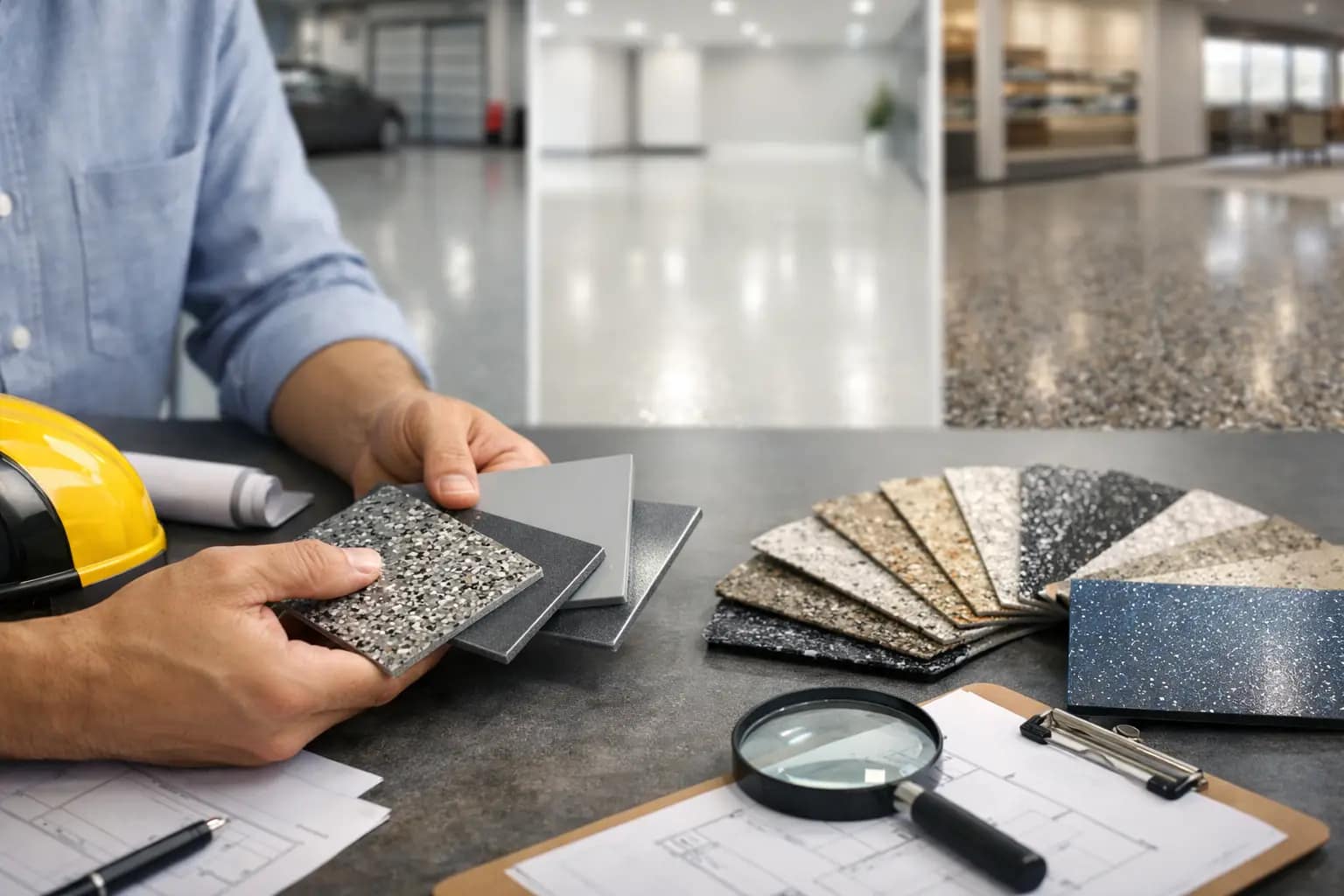
Design-wise, epoxy has range. Solid colors can look crisp and simple. Decorative flakes can hide minor dust and add depth. The finish can be gloss, satin, or somewhere in between.
This benefit is also practical for landlords and homeowners thinking about resale. A neat, coated garage and laundry creates the impression of a well-maintained home. It’s not a guarantee of higher sale price, but it can remove a common “this place needs work” feeling buyers get when they see stained concrete.
6) Moisture management and fewer coating failures (when prep is done right)
Sydney’s weather swings, coastal humidity in some areas, and older slabs can all bring moisture into the conversation. Moisture vapor transmission through concrete is one of the most common reasons coatings fail – not always immediately, but months later when blistering or peeling shows up.
A key benefit of using a professional epoxy flooring system is that moisture and slab condition can be assessed before coating. That may mean testing, selecting the right primer, and doing proper concrete grinding and repairs so the system bonds and performs.
This is where shortcuts hurt. “Acid etch and roll it on” approaches often look fine at first, then fail because the surface wasn’t mechanically prepared or because the slab had contamination, weak concrete, or moisture issues.
It depends on the slab. Some floors need crack repairs or a skim coat to flatten problem areas before coating. Those steps aren’t upsells – they’re how you get a predictable result.
7) Long-term value that beats frequent patch-ups
Epoxy is not the cheapest way to “cover” a concrete floor, and it shouldn’t be sold that way. The value is in lifespan and reduced hassle: fewer stains, less dust, less time cleaning, and fewer repeat jobs compared to repainting or living with a floor that constantly degrades.
For homeowners renovating, that value often shows up in two ways. First, you protect the slab from wear and contamination, which matters if the space is used daily. Second, you get a finish that holds up visually, so you’re not redoing it every couple of years.
Cost depends on the system build, surface condition, and whether repairs and leveling are needed. If your slab is cracked, oily, or uneven, spending money on preparation is usually what separates a floor that lasts from one that becomes a problem.
What makes epoxy perform in a home setting
Most homeowners don’t need a deep technical breakdown, but you do need to know what actually drives results. Epoxy flooring succeeds or fails on preparation and system selection.
Surface preparation is the foundation
Concrete grinding is not just “making it rough.” It removes weak surface material, opens the pores of the slab, and creates the profile the coating needs to bond. It also helps expose issues early – like old adhesives, contamination, or soft spots – so they can be repaired before coating.
If dust control matters to you (and it should in a lived-in home), ask how the contractor manages it. Dust-controlled grinding equipment is a big deal for keeping the job clean and reducing disruption.
The right system for the right room
A garage with vehicle traffic needs a different approach than a laundry or an indoor living space. UV stability, topcoat choice, and slip resistance should be matched to the area. A contractor who asks how you use the space will usually specify better than one who leads with a single price and product.
If you want a clearer picture of what a complete epoxy and prep package looks like for a Sydney home, Floor Masters shares details at https://Floormasters.com.au.
A practical way to decide if epoxy is right for your home
If your concrete is dusty, stained, or hard to keep clean, epoxy is usually worth considering. If the space gets wet, a non-slip option makes the upgrade more than cosmetic. And if you’re already renovating, coating the floor now often saves you from trying to do it later around stored items and daily routines.
The most helpful next step is simple: look at how you actually use the area, then choose a finish that supports that use – not just what looks best in a photo. A floor that’s built for your day-to-day will feel like a quiet upgrade every time you walk on it.