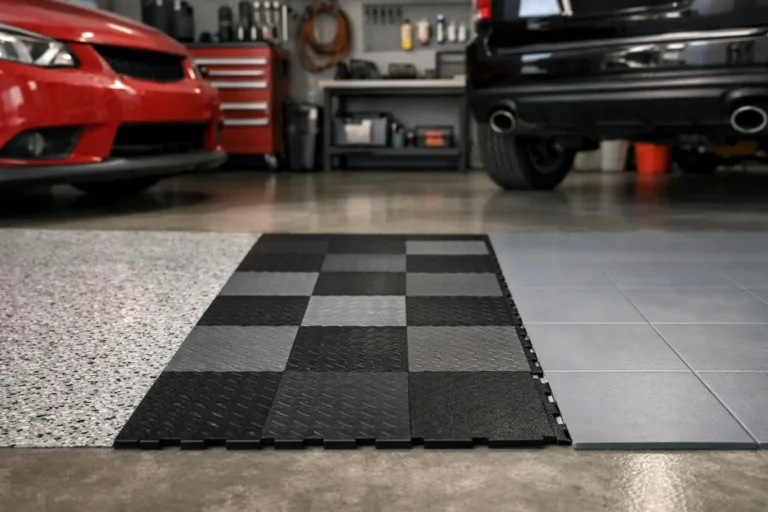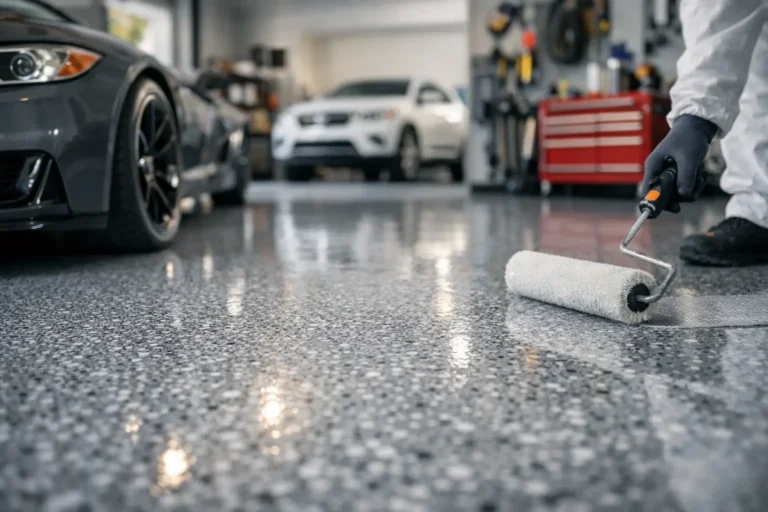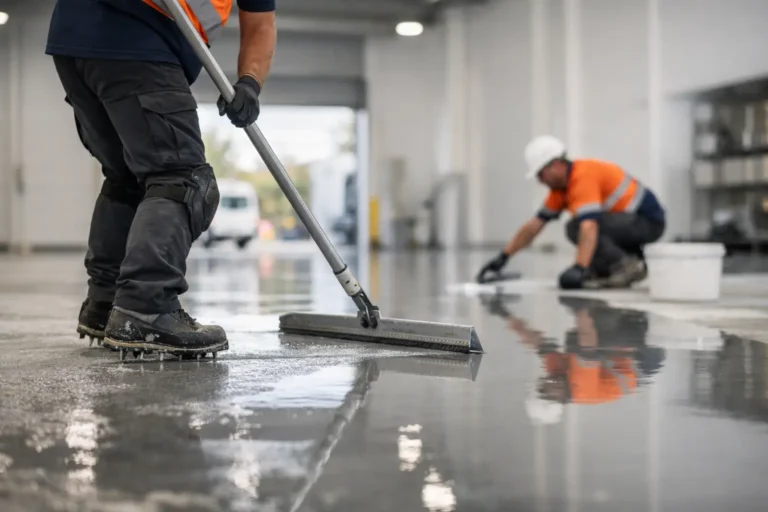
A garage floor can look excellent on day one and start showing tyre marks, peeling or dull patches far too soon if the coating system underneath was rushed. That is usually the real question behind how long does epoxy flooring last – not just the number of years, but what kind of performance you can expect over time.
The honest answer is that epoxy flooring lifespan depends on where it is installed, how the slab was prepared, what traffic it handles and whether the right coating system was used in the first place. In a residential garage or internal workspace, a professionally installed epoxy floor can often last 10 to 20 years. In harsher commercial or industrial settings, that timeframe may be shorter, but a well-built system should still deliver many years of service before it needs major attention.
How long does epoxy flooring last in real conditions?
There is no single number that applies to every site. A decorative garage floor in a clean residential setting has a much easier job than a warehouse floor carrying pallets, machinery and constant foot traffic. Both may be epoxy floors, but their working conditions are completely different.
For most homeowners, epoxy flooring can hold up for well over a decade when surface preparation is done properly and the coating is matched to the use of the space. For workshops, warehouses, retail back-of-house areas and commercial kitchens, lifespan depends more heavily on abrasion, chemical exposure, impact and cleaning methods. In those spaces, the system design matters just as much as the topcoat itself.
This is why experienced contractors focus on the slab condition, moisture levels, grinding and repairs before talking about finish colour or flake style. The durability of the floor is built from the concrete up.
What affects epoxy floor lifespan most?
The biggest factor is preparation. If the concrete is contaminated, weak, dusty or holding moisture, epoxy may not bond properly. A floor can look smooth when it is first installed and still fail early because the substrate was not ready. Peeling, bubbling and delamination are often signs of poor preparation rather than a problem with epoxy as a material.
Traffic load also plays a major part. A home garage storing two cars and a few tools will not wear at the same rate as a mechanic’s workshop or loading area. Hot tyres, turning wheels, dragged equipment and dropped tools all increase wear. The same goes for frequent washing, oil exposure or chemical spills.
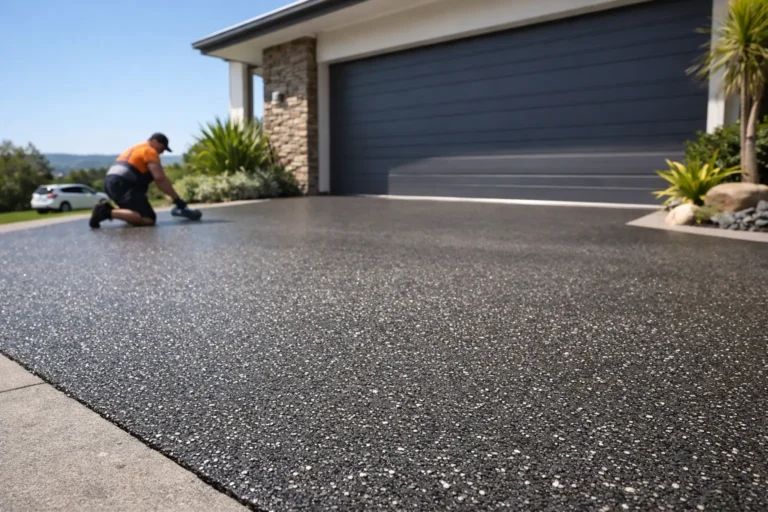
Sunlight can also shorten the life of some coating systems, especially in outdoor or partly exposed areas. Standard epoxy performs very well indoors, but UV exposure can cause ambering or surface ageing over time if the right topcoat is not used. That matters for driveways, open carports and external paths where a different coating approach may be better.
Then there is maintenance. Epoxy is known for being low maintenance, but low maintenance does not mean no maintenance. Letting grit build up on the floor, leaving chemical spills for too long or using harsh cleaning methods can wear the surface faster than necessary.
Surface preparation is where durability starts
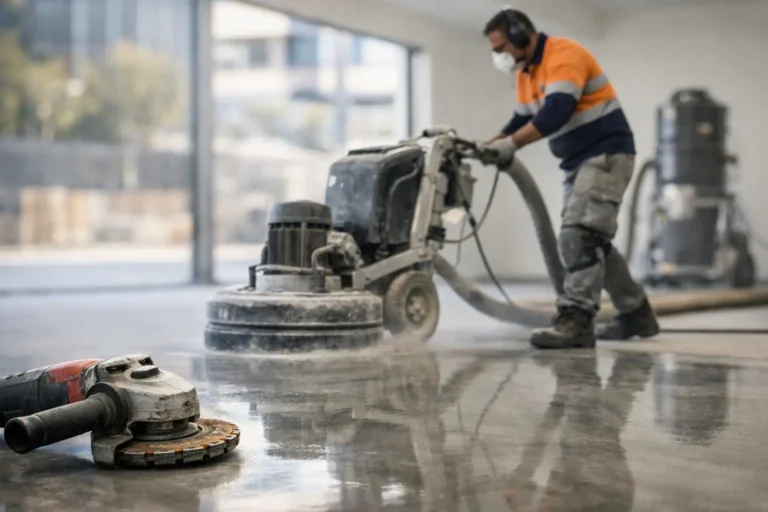
This is the step that separates a floor that lasts from one that disappoints. Proper mechanical grinding opens the concrete, removes weak laitance and helps the coating bond correctly. If cracks, chips or surface defects are present, they need to be repaired before coating begins.
In practical terms, good preparation means the floor is not just covered – it is built to perform. For sites across Sydney, where slabs can vary widely in age, finish and condition, inspection matters. One concrete floor may be ready after grinding, while another may need repairs, moisture management or skim coating first.
The right system for the right environment
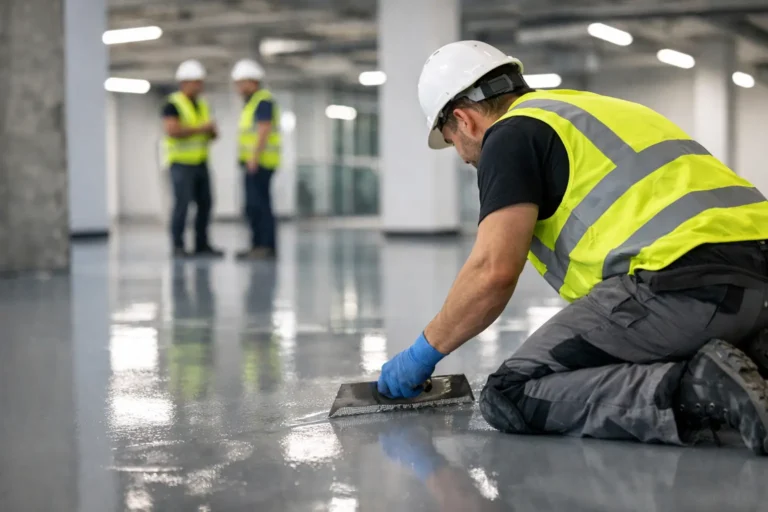
Not every epoxy floor should be installed the same way. A decorative flake floor for a garage has different demands from a non-slip coating in a food prep area or a heavy-duty workshop floor. Thickness, slip resistance, chemical resistance and topcoat choice all need to suit the job.
This is one reason some floors outlast others by years. It is not always because one product was better. Often, it is because the system matched the environment more closely.
Where epoxy lasts longest – and where it works harder
Internal residential spaces are usually the easiest environment for epoxy to perform well over the long term. Garages, home gyms, laundries and storage areas tend to benefit from stable conditions and lighter traffic. In these settings, the floor stays cleaner, sees less direct weather exposure and typically has fewer chemical risks.
Commercial spaces sit somewhere in the middle. Retail stockrooms, service areas and some light industrial sites can get strong long-term results from epoxy, especially where cleaning, appearance and slip resistance all matter. The floor is under more pressure than in a home, but still manageable when the system is specified properly.
Industrial and heavy-use environments ask the most from any coating. Warehouses, workshops and production spaces can still be excellent candidates for epoxy or epoxy-based systems, but wear rates are naturally higher. In these areas, it is more realistic to think in terms of performance cycles, maintenance planning and periodic recoating rather than expecting the floor to look untouched year after year.
Signs an epoxy floor is ageing
An epoxy floor does not usually fail all at once. More often, it starts showing early signs of wear that indicate the surface is under pressure. You might notice dull traffic lanes, fine scratches, localised peeling, worn non-slip texture or staining that no longer lifts as easily.
That does not always mean full replacement is needed. In many cases, a floor can be assessed and restored before damage becomes more widespread. Catching issues early is often the difference between a manageable refresh and a much larger repair job.
If the problem is isolated, the cause needs to be understood first. Surface wear from traffic is different from bond failure caused by moisture or poor preparation. Treating both problems the same way rarely delivers a lasting result.
How to get more years out of epoxy flooring
Longer life starts with the install, but it continues with how the floor is used and maintained. Keeping the surface clean reduces abrasion from tracked-in grit. Cleaning up oil, fuel and chemical spills promptly helps preserve the finish. In commercial areas, it also makes sense to review whether traffic patterns, cleaning equipment and load types are putting unnecessary stress on certain sections.
Just as important is choosing a contractor who looks beyond the surface appearance. A floor that is fast to quote and fast to coat can still become an expensive problem if the slab was not assessed properly. The better approach is to match the system to the site conditions, the level of traffic and the safety needs of the space.
For example, non-slip finishes are valuable in many workplaces and outdoor areas, but they also need to be balanced with cleanability and expected wear. A warehouse, garage and commercial kitchen may all need grip, but not necessarily the same finish.
Is epoxy still worth it if lifespan varies?
Yes – because the alternative is usually a bare or poorly protected concrete floor that dusts, stains, absorbs contaminants and becomes harder to maintain over time. Even when lifespan varies by environment, epoxy still delivers clear practical value through easier cleaning, improved appearance, better resistance to wear and a safer, more professional finish.
For homeowners, that often means a garage or utility area that feels cleaner and more usable. For businesses, it can mean a floor that supports day-to-day operations better, presents well to staff and customers, and reduces ongoing maintenance headaches.
The key is realistic expectations. No flooring system is immune to heavy use, impact or slab movement. But a properly prepared and professionally installed epoxy floor should give years of dependable service and look far better doing it than untreated concrete.
If you are weighing up epoxy for a garage, warehouse, workshop or commercial space, the most useful question is not just how many years it might last. It is whether the floor system is being designed for the way your site actually works – because that is what gives you the best return over time.
For tailored advice on concrete condition, coating options and long-term performance, Floor Masters can assess the space and recommend a system that suits the job, not just the brochure.