A dusty, stained or cracking concrete floor does more than look tired. It holds dirt, marks easily, becomes harder to clean, and in busy spaces it can turn into an ongoing maintenance problem. If you are weighing up the cost against the long-term benefit, the honest answer to is epoxy flooring worth it comes down to how you use the space and whether the system is installed properly from the start.
For many Sydney property owners and business operators, epoxy flooring is worth it because it protects the concrete underneath, improves presentation, and reduces day-to-day upkeep. But not every floor is the same. The condition of the slab, the traffic level, moisture exposure and slip resistance requirements all matter. That is why the right advice, preparation and coating system make the difference between a floor that performs and one that peels early.
Is epoxy flooring worth it in real-world use?
If you want a floor that is easier to maintain, harder wearing and built for practical use, epoxy is often a smart investment. In garages, it helps resist tyre marks, oil stains and general wear. In workshops and warehouses, it creates a tougher surface that handles traffic more reliably than bare concrete. In commercial settings, it gives the space a cleaner, more professional finish while also supporting safer and easier cleaning routines.
Where customers usually see the value is not just in appearance. It is in less dust, less absorption, better protection and a floor that works harder over time. Bare concrete gradually breaks down at the surface, especially in working environments. A properly prepared and coated floor helps slow that process and gives you a surface that is far more practical to live or work with.
That said, epoxy is not a one-size-fits-all product. If a slab has moisture issues, damage, contamination or weak surface layers, coating straight over it is a poor shortcut. Good results depend on correcting the base before the coating goes down.
Why proper preparation matters
This is where many epoxy jobs succeed or fail. A coating is only as good as the concrete underneath it. If the slab is not mechanically ground, repaired where needed and prepared to the right standard, the finish may look fine at first but can fail under use.
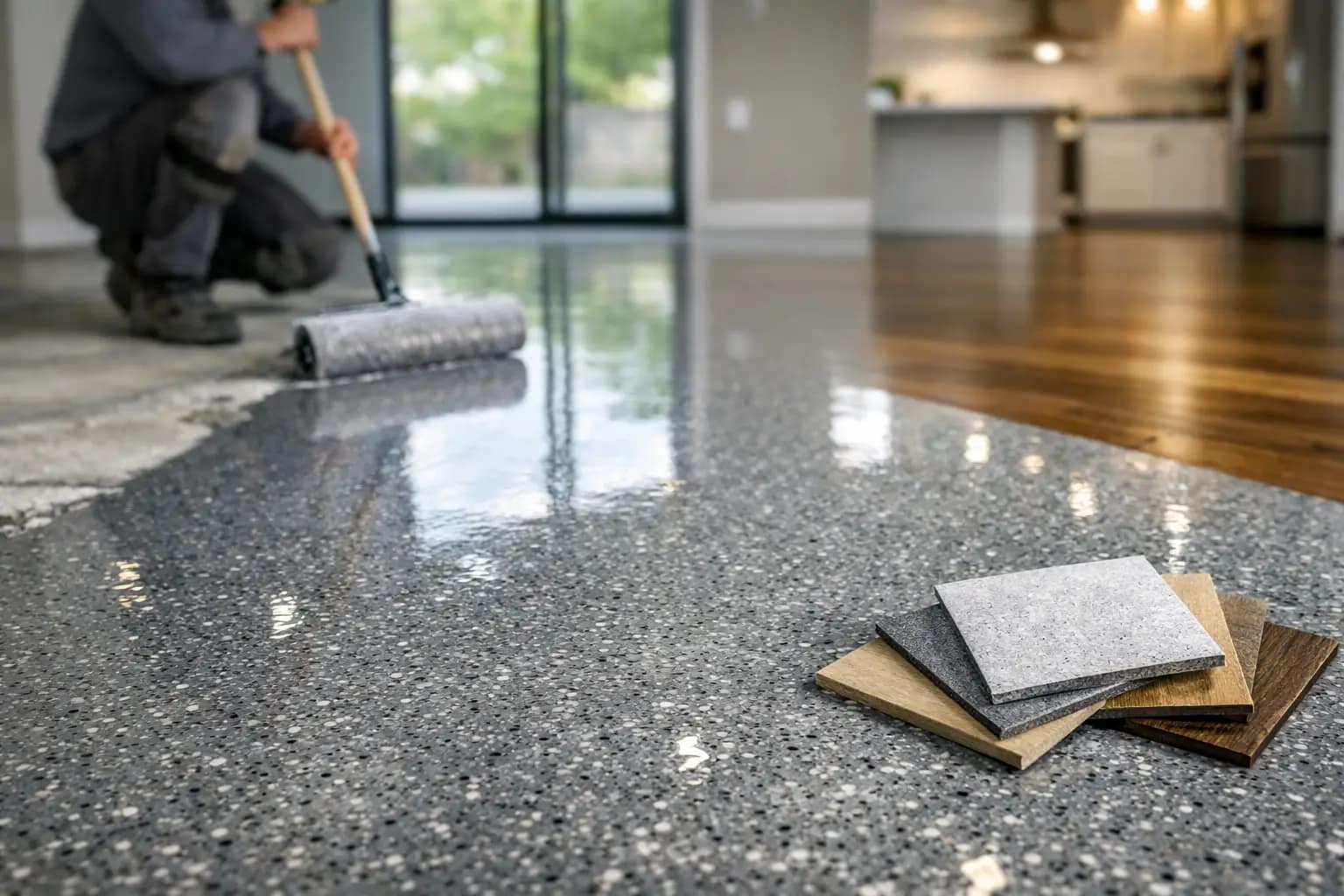
Professional preparation normally includes concrete grinding, removal of weak material, and skim coating or repairs where the slab is uneven or damaged. This creates the profile the epoxy needs to bond properly. It also helps produce a more even final finish.
For clients comparing quotes, this is worth paying attention to. A cheaper price can sometimes mean less prep, lower-grade materials or a rushed application. That usually costs more in the long run if the floor needs repair or replacement sooner than expected.
A better option for garages, homes and business floors
Epoxy flooring works best when it is matched to the job. A residential garage has different demands from a warehouse or commercial kitchen. The right system should reflect how the floor will actually be used.
Garage epoxy flooring
For garages, the value is straightforward. Epoxy creates a cleaner, brighter and easier-to-maintain surface that stands up better to cars, storage, foot traffic and the usual spills. It also lifts the overall appearance of the space, which matters if the garage is used as more than just a place to park.
Homeowners often choose garage epoxy because they are tired of dusty concrete and stubborn stains. A quality coating helps seal the surface, reduces mess and gives the floor a more finished feel. Non-slip options can also be added where extra grip is needed.
Residential epoxy flooring
Around the home, epoxy and concrete coatings can be a practical upgrade for laundries, patios, driveways and other hard-working areas. The key benefit is durability with less maintenance. Instead of dealing with porous concrete that marks and weathers, you get a more protected and easier-to-clean surface.
For outdoor or exposed areas, the right system matters even more. Not every coating is suited to every location, so it is important to choose a contractor who understands where epoxy is appropriate and where another concrete coating system may be the better fit.
Commercial and industrial epoxy flooring
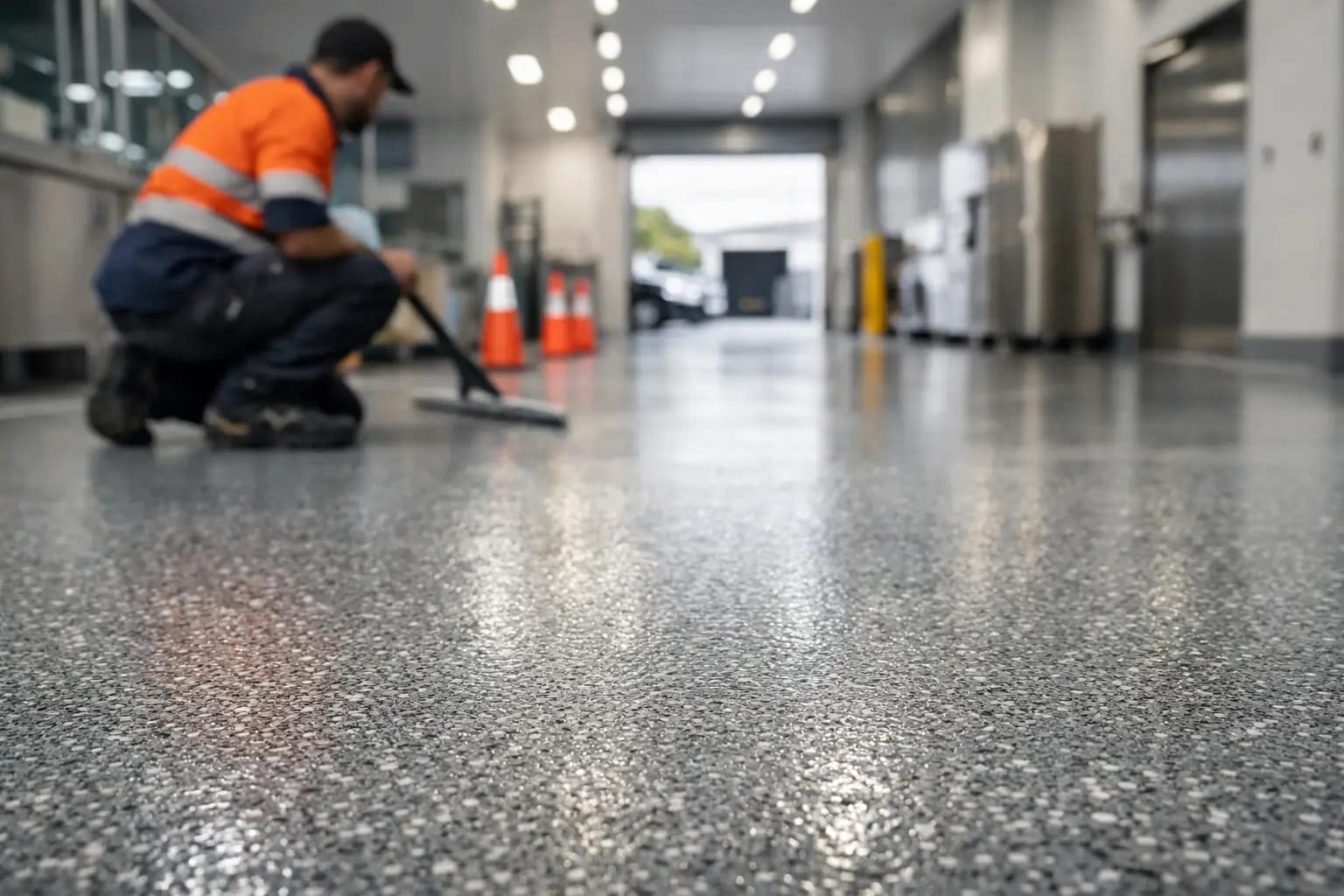
In commercial spaces, presentation and performance usually go together. Warehouses, workshops, retail floors, kitchens and industrial sites all need surfaces that can cope with use while remaining safe and manageable.
That is where epoxy can offer strong value. It helps create a floor that is easier to clean, better protected against wear, and more suitable for high-use environments. Depending on the site, non-slip finishes and heavy-duty systems can be specified to improve safety and support daily operations.
For business owners and facility managers, the real question is often not whether epoxy costs more upfront than leaving concrete bare. It is whether the current floor is already costing time, maintenance and presentation every week. In many cases, upgrading the surface is the more economical decision over time.
When epoxy flooring is worth the investment
Epoxy flooring is usually worth it when the floor is actively used and expected to stay in service for years. If you own a garage that sees daily vehicle use, a warehouse with regular traffic, or a commercial site where cleanliness and appearance matter, a coated floor can deliver clear practical value.
It also makes sense when you want to protect the slab before it deteriorates further. Concrete repairs become more involved when damage is left too long. Applying the right coating system after proper prep helps protect that asset and extend its usable life.
Another factor is maintenance. If you are constantly dealing with dust, stains, patchy repairs or surfaces that never look clean, epoxy can remove a lot of that frustration. The floor becomes simpler to maintain and easier to present well.
When it may not be the right fit
A straight answer matters here. Epoxy flooring is not always the best solution in every situation. If the concrete has major moisture problems, structural movement or the wrong previous treatment on the surface, those issues need to be assessed first. In some cases, repairs or an alternative coating system may be more suitable.
It may also be unnecessary if the area has very light use and appearance, cleaning and durability are not priorities. The value comes from performance. If you do not need much from the floor, a full epoxy system may offer more than the space requires.
That is why an on-site assessment matters. It allows the floor condition, the environment and the expected use to be considered before any recommendation is made.
Why customers choose a professional epoxy contractor
The difference between a coating that lasts and one that fails early usually comes back to workmanship, preparation and material quality. Property owners want more than a floor that looks good for a few months. They want a system built to handle real use.
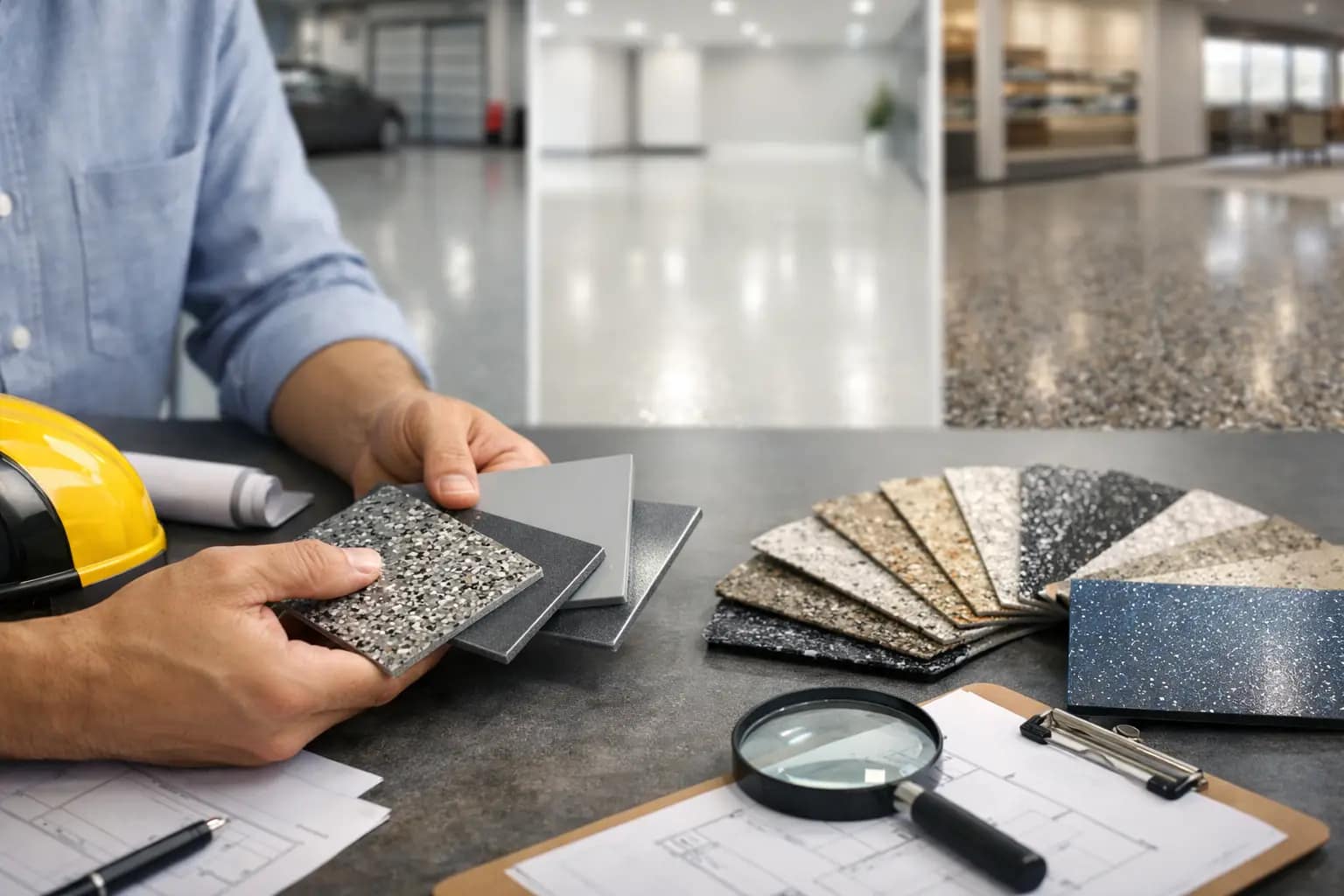
A professional contractor should be able to assess the slab properly, explain the preparation required, recommend the right finish for the environment, and apply the system with care. Dust-controlled grinding, proper repairs and premium-grade coatings all play a part in the final result.
Just as important is accountability. Licensed and insured service, transparent pricing and a clear workmanship guarantee give customers confidence that the job is being done to a proper standard. Floor Masters backs its work with a 5-Year No-Peel Guarantee, which reflects the focus on preparation and dependable application rather than quick cosmetic results.
Get a floor that works harder
If your concrete floor is dragging down the space, epoxy is often worth it because it solves more than one problem at once. It improves durability, makes cleaning easier, helps protect the slab and gives the area a cleaner, more finished look. For garages, homes and commercial sites, that can make a noticeable difference in both day-to-day use and long-term value.
The key is getting the right system for the space and having it installed properly. If you want a clear answer based on your floor, the best next step is a free on-site quote. With the slab inspected in person, you can get practical advice, honest pricing and a recommendation that suits the way your property is actually used.
A good floor should not just look better on day one. It should keep doing its job well after the job is finished.